Kumori does not publish official nutrition information for its Philippine bakery items, so this page gives no per item calorie counts and no nutrition table dressed up as official data. What it does give is honest general guidance on how Kumori items compare, what to ask in store, and how to pick lighter options. For prices and the full range, start with the Kumori menu hub.
Does Kumori publish nutrition information?
No. A search of Kumori Philippines sources turned up menu items and prices, branch lists, and product descriptions, but no official nutrition table, no per item calorie list, and no allergen chart. Kumori describes its breads as baked fresh daily with no artificial additives, preservatives, bread softeners, stabilizers, or emulsifiers, which is a statement about ingredients and freshness, not a nutrition claim. Because of that gap, this article deliberately leaves out per item nutrition schema and per item figures. Generic figures for Japanese cheesecake or milk bread from third party food databases are not Kumori figures, so they are not used here either.
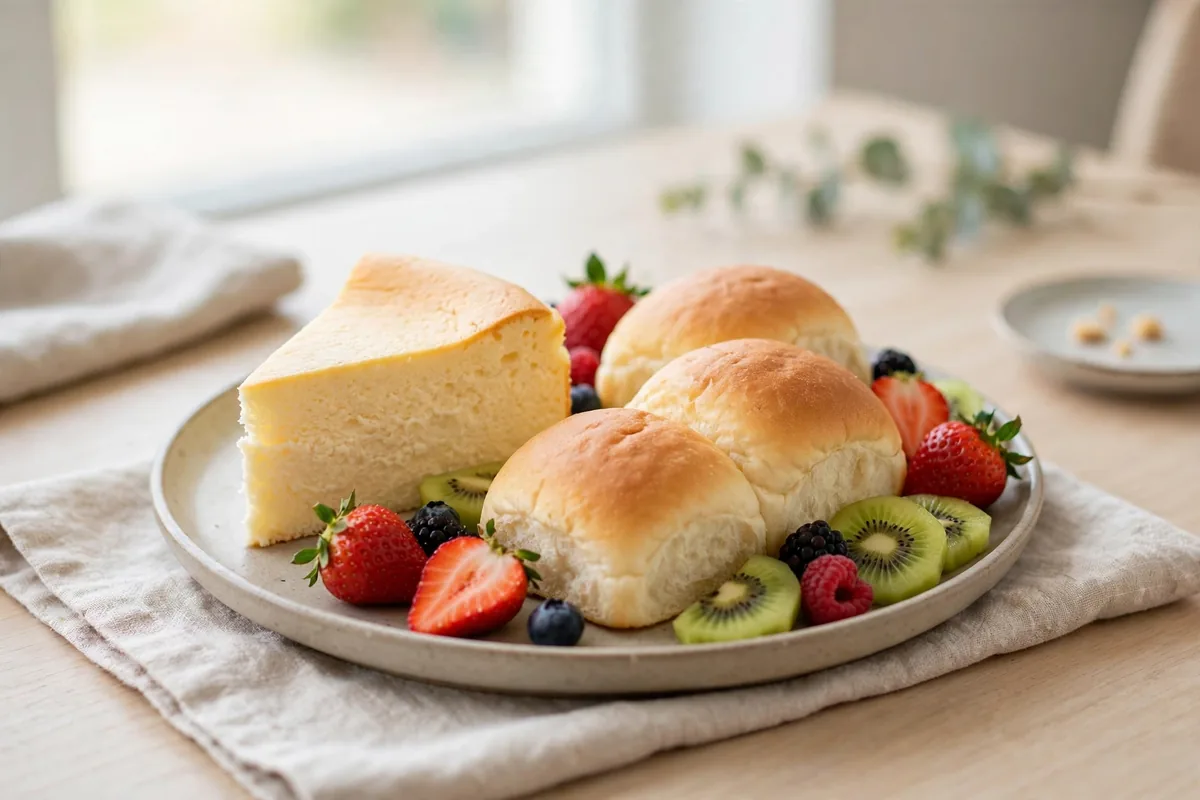
| What was checked | What was found |
|---|---|
| Official Kumori nutrition table | Not found |
| Per item calorie list from Kumori | Not found |
| Allergen chart from Kumori | Not found |
| Ingredient and freshness statements | Found: baked fresh daily, no artificial additives or preservatives stated |
What can you eat at Kumori if you are watching calories?
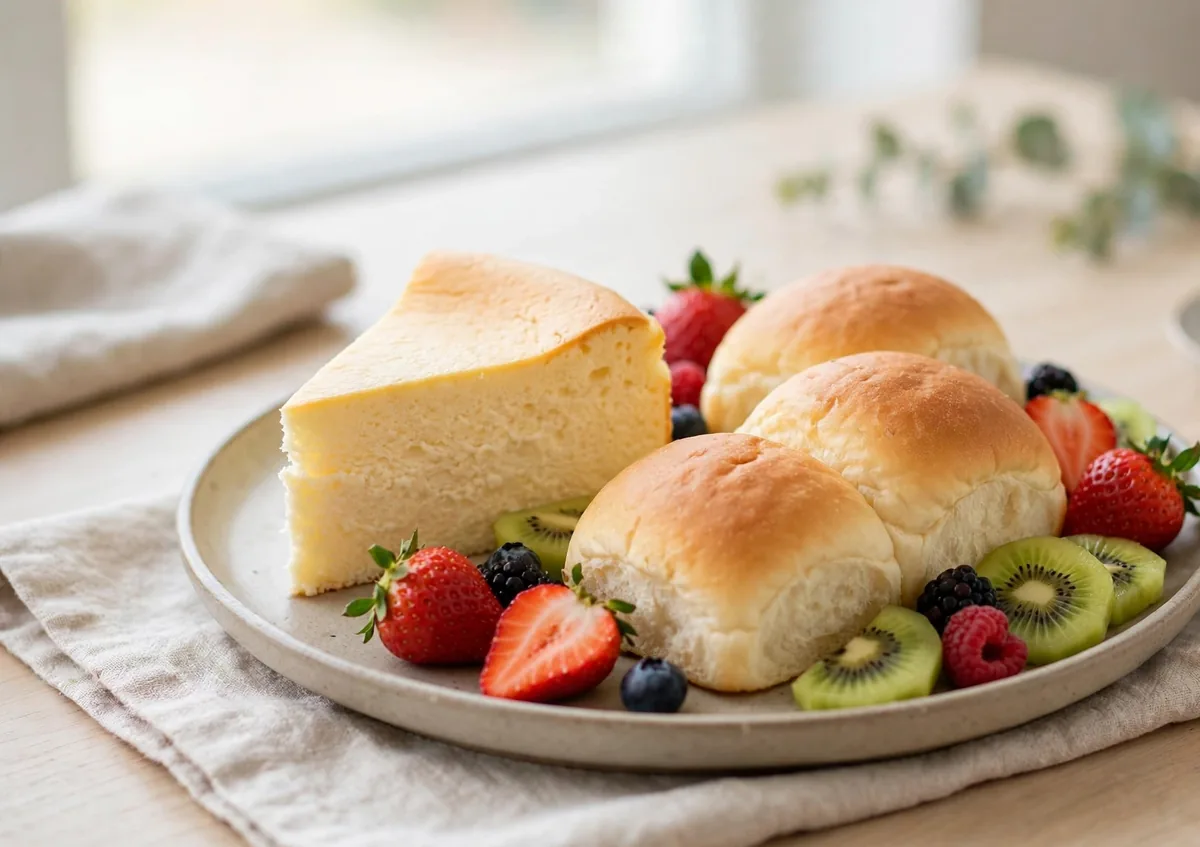
Without official figures, the honest approach is to think in categories, not numbers. A plain soft bun is a simpler food than a bun loaded with cheese, cream, chocolate, or a sweet topping, and a palm sized cheesecake is a dessert portion, not a meal replacement. If you are tracking intake, count one Kumori bun as one snack, not as a free extra beside a full meal, and pair it with water instead of a sweetened drink. That framing will not give you an exact total, but it will keep a bakery visit from quietly turning into two or three snacks in one sitting.
Portion first, numbers second
Portion size is the one lever you fully control in store. One bun, eaten slowly, is a different day from a box opened at a desk and shared in passing. If you buy a pack, decide your portion before you open it. That habit matters more than guessing at a calorie figure that Kumori has not published.
Which Kumori items are lighter choices, in general terms?
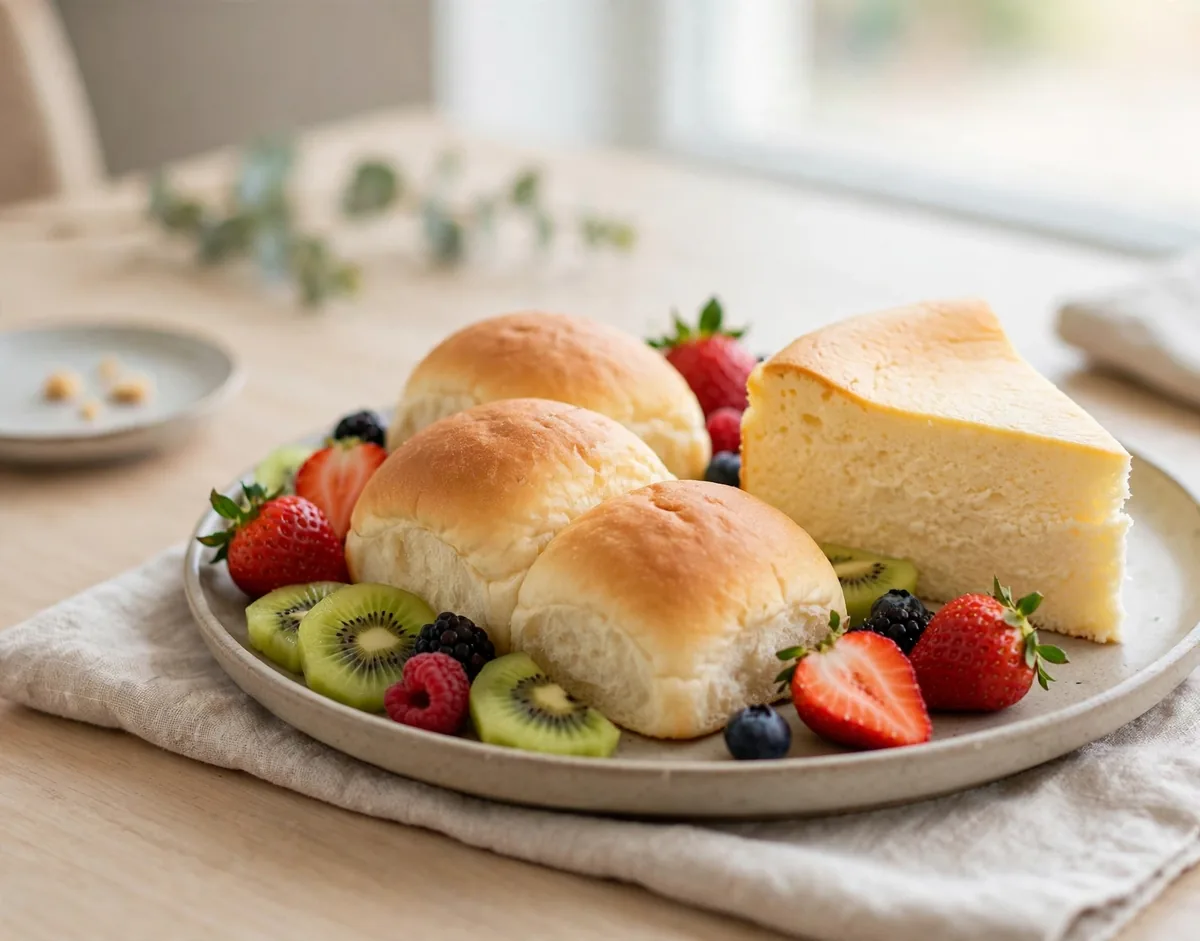
The table below is general guidance only, based on what each item is, not on measured Kumori nutrition data. Plain and lightly filled buns sit at the lighter end of this bakery range, while cheese tarts, cream filled buns, chocolate topped buns, and boxed cheesecakes sit at the richer end. Savory buns with ham, tuna, or sausage add protein and salt, which can make them more filling, but they are still bakery items, not low calorie health foods.
| Item type | General note |
|---|---|
| Plain soft buns and milk buns | Lighter end of the range in general terms. Still a refined bread snack, so portion still matters. |
| Red bean and matcha buns | Middle of the range in general terms. Sweet filling adds sugar compared with a plain bun. |
| Savory buns (tuna, ham, sausage) | More filling in general terms, and usually saltier. Good as a snack that holds you over. |
| Cheese, cream, and chocolate filled items | Richer end of the range in general terms. Best treated as a dessert or occasional treat. |
| Hanjuku cheesecake and cheese tarts | Dessert items in general terms. Small, rich, and easy to eat more than one of, so one piece is a sensible portion. |
What about allergens and ingredients?
Kumori items are wheat based breads and pastries, many with milk, egg, and cheese, and some with meat, fish, or nut toppings, so anyone with a wheat, milk, egg, or nut allergy should ask staff in store before buying. No official allergen chart was found, which means this page cannot certify any item as free of a given allergen, and cross contact in a small bakery case is a real possibility. If you have a serious allergy, the safe move is to ask at the branch and skip anything the staff cannot confirm. Kumori also states its breads should be eaten within two days of purchase because they contain no preservatives, so buy fresh and do not stockpile boxes.
Kumori nutrition info FAQs
Quick answers to the questions readers ask most about Kumori nutrition.
Does Kumori publish nutrition information?
No official Kumori nutrition table or per item calorie list was found for the Philippines. This page gives general guidance only and no per item figures presented as official.
How many calories are in a Kumori Hanjuku cheesecake?
Kumori does not publish a figure, so this page does not give one. Generic Japanese cheesecake figures from other sources are not Kumori figures and are not used here.
What is the lightest choice at Kumori?
In general terms, a plain soft bun is lighter than a cheese filled, cream filled, or chocolate topped item. Portion size matters as much as the choice itself.
Are Kumori breads healthy?
Kumori states its breads are baked fresh daily with no artificial additives or preservatives. That is an ingredient statement, not a health claim, and most items are still sweet or rich bakery snacks.
How do I check allergens at Kumori?
Ask staff at the branch. No official allergen chart was found, so this page cannot certify any item as free of wheat, milk, egg, or nut allergens.