Botejyu Menu Card
By Feebo | Philippines menu guide

Start with the full Botejyu menu hub for the complete dish list, then try customer-reported Botejyu secret menu combinations or Botejyu breakfast-style options for your next visit.
What does the Botejyu menu card show?
The botejyu menu card is the in-store and delivery listing that groups dishes by type, so you can find okonomiyaki, ramen, rice, starters, and drinks without scrolling through one long list. Think of it as a map: okonomiyaki first, because that is the house specialty, then ramen and noodles, then rice bowls and teppan dishes, then salads, sides, desserts, and drinks. If you open the card with that map in mind, ordering takes a minute, not ten. This guide explains the card sections and the reported prices in each, using third-party Philippine listings. It is not a copy of an official Botejyu card, and your branch card may list different items or prices.
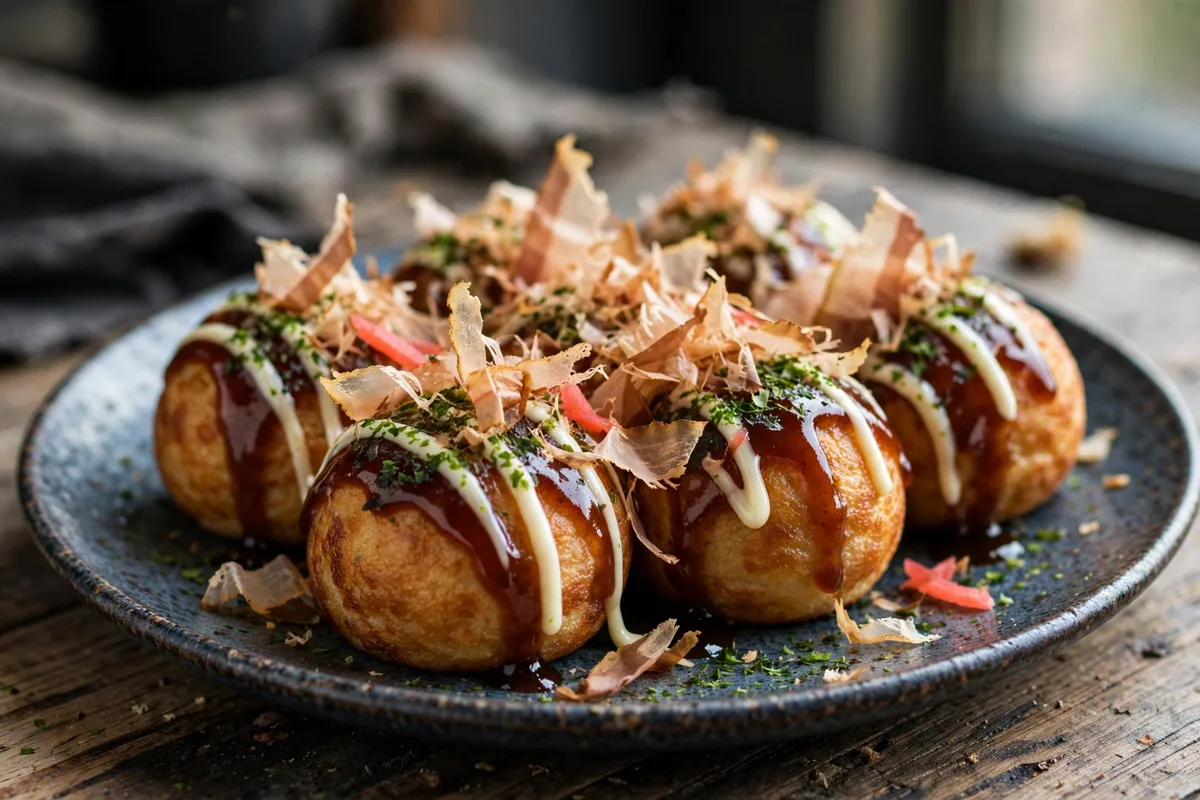
Start at the top of the card and work down. The okonomiyaki section is where most first-time diners should spend their time. Pick a pork, seafood, or premium mix pancake, then move to ramen only if you want a second main or a solo bowl. Starters sit near the salads and small plates, and they are easy to miss if you jump straight to mains. Desserts and drinks sit at the end, which is a good place to decide on them after you know how filling your main will be.
How do you read the Botejyu menu card prices?
Prices on the card are listed per item, in Philippine pesos, and they usually do not include delivery fees. A ramen bowl price is for that bowl alone, unless the card says a set is included. A rice set, where listed, is a bundle of rice, kimchi, and miso soup, reported at PHP 104, and it is different from ordering plain rice at PHP 67. Reading those small set notes saves money, since a set can be cheaper than its parts bought separately.
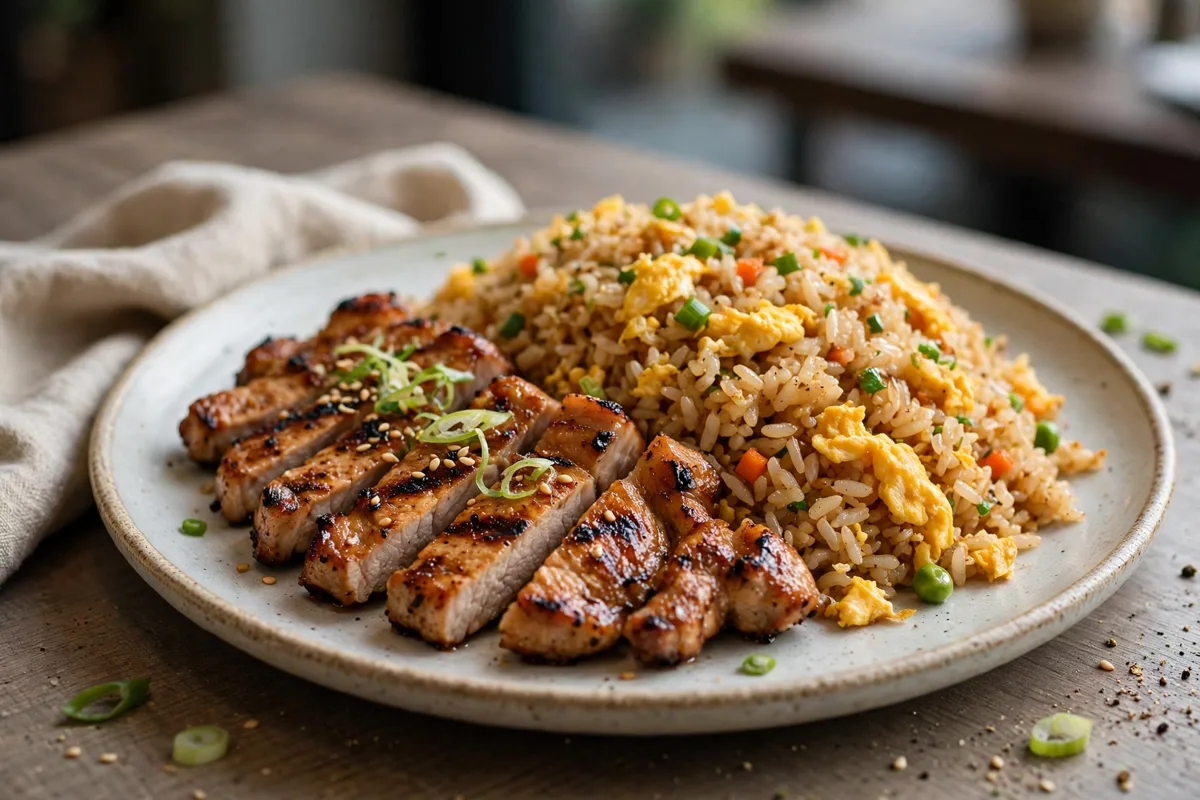
Watch for size notes too. Salads are listed in regular and large sizes, with a clear price jump between them. Botejyu Special Salad moves from PHP 241 to PHP 354, and Chicken Teriyaki Salad moves from PHP 304 to PHP 554. If you are dining alone, regular is usually enough. For a table, large makes sense. The same care applies to karaage, which is listed by piece count in some listings, from PHP 125 for three pieces. Always check the piece count before you assume a price is for a full plate.
Which sections should first-time diners check first?
First-time diners should check three sections in this order: okonomiyaki, starters, and ramen. Okonomiyaki tells you what Botejyu does best. Starters tell you what to snack on while the pancake cooks. Ramen tells you the backup plan if a pancake feels too heavy. That order keeps the meal focused. You pick a star dish, a snack, and a safe alternative, and you stop there. Diners who read the whole card first often over-order, because every section looks good on its own.
Regulars tend to read the card differently. They check the rice and teppan sections for a change from their usual pancake, and they check the toast and buns section for a light snack. Premium Mix Pizza Toast at PHP 189 and Grilled BBQ Pork Buns at PHP 140 are the kind of items regulars add to a light meal. If you are visiting with kids, the starters and rice sections are usually the easiest places to find mild, familiar flavours.
What should you check before you pay?
Before you pay, check four things on the card or bill: the item name, the size, the quantity, and any set note. A salad in large is not the same price as a salad in regular. A karaage order in pieces is not the same as a full plate. A ramen bowl with extra char siu costs more than the base bowl. These are small details, but they explain most bill surprises. If anything on the bill does not match the card, ask the server before you pay, while it is easy to fix.
Also check whether your order is dine-in or delivery. Delivery listings can show higher prices than the in-store card, and they add fees on top. If you are ordering for pickup, ask whether the in-store card price applies. That one question can save a noticeable amount on a group order. Keep the card or a photo of it until the food arrives, so you can check the order against what you paid for.
How can you use the menu card to plan a group meal?
For a group, use the card to build a shared spread, not four separate mains. Pick two pancakes in different flavours, one noodle or rice dish, two starters, and drinks for the table. That spread lets everyone taste the house specialty and a second dish, and it usually costs less than four premium mains. Use the salad section for a fresh counterpoint to rich pancakes, and use the dessert section for one shared sweet at the end.
Frequently asked questions
Is this a copy of the official Botejyu menu card?
No. This is a guide to the card sections and reported prices from third-party Philippine listings. Your branch card may differ.
Where is okonomiyaki on the card?
In the okonomiyaki section, usually first, since it is the house specialty.
Why do salad prices jump so much?
Salads are listed in regular and large sizes, and the large size costs much more. Check the size before ordering.
Disclaimer: Prices on this page are third-party reported ranges gathered from public Philippine menu listings. They are not an official Botejyu price list, and they may vary by branch, mall, delivery platform, and date. Always check the menu at your branch before ordering. Nutrition figures, where shown, are generic estimates labelled ESTIMATE and are not official Botejyu nutrition data.