Botejyu Menu
By Feebo | Philippines menu guide
Botejyu guides in this cluster
Explore the full Botejyu cluster here: Botejyu menu card guide, Botejyu secret menu guide, Botejyu breakfast menu guide, Botejyu kids menu guide, Botejyu promo guide, Botejyu delivery menu guide, Botejyu best sellers guide, Botejyu combo meals guide, Botejyu party packages guide, Botejyu value meals guide, Botejyu family bundle guide, Botejyu new menu items guide, Botejyu cheapest items guide, Botejyu nutritional info guide, and Botejyu menu near me guide.
What is on the Botejyu menu in the Philippines?
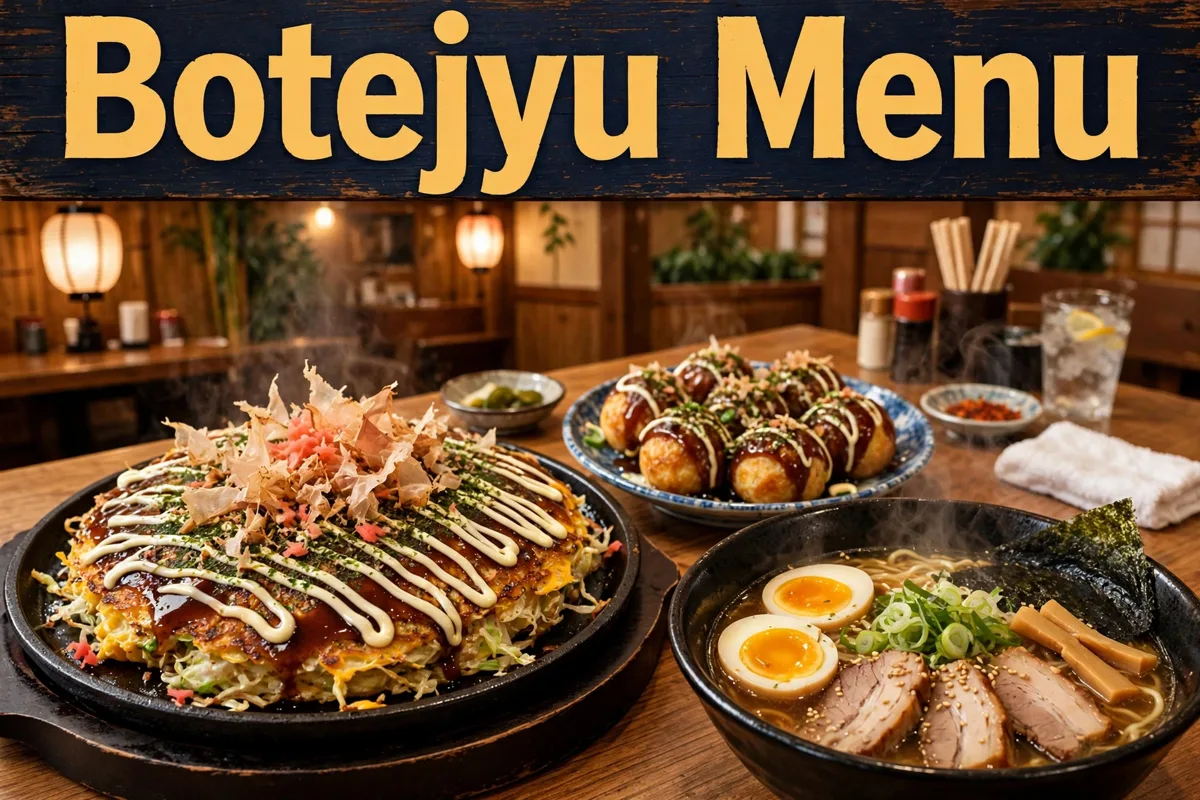
If you search for the botejyu menu, you are usually looking for one thing first: real Osaka-style okonomiyaki in a Manila mall, without a long hunt through delivery apps. Botejyu started in Osaka in 1946, and its Philippine branches lean hard into that heritage. The savoury pancake is the star, but the menu around it is wide. You will find ramen, rice bowls, yakisoba, teppan dishes, takoyaki, salads, and small plates that suit sharing. That mix is why groups like it. One person can order a pancake, another can order ramen, and nobody has to compromise on a Japanese craving.
This guide pulls the botejyu menu together in one place, with reported Philippine prices and plain notes on what each dish is. Prices here are third-party reported ranges, not an official live price list from Botejyu, so treat them as a planning guide. Branches in different malls can charge different amounts, and delivery prices can differ from dine-in prices. Still, the shape of the menu is stable: okonomiyaki first, ramen second, and a long bench of grill and rice dishes behind them.
For a first visit, keep it simple. Order one okonomiyaki to share, one ramen or rice bowl for the hungry eater at the table, and a small plate such as gyoza or karaage. That gives you the Osaka flavour, a filling main, and something crisp to snack on while the pancake arrives. If you are dining alone, a smaller okonomiyaki plus a side, or a single ramen bowl, is plenty. Portions at Botejyu are generous, and the sauces are rich, so ordering less than you think you need is often the smarter move.
Two practical notes help first-time diners. First, ask about allergens if you need to, since okonomiyaki, ramen, and fried items can contain wheat, egg, soy, seafood, and sesame, and the exact mix depends on the dish and the branch recipe. Staff can usually point you to safer choices, but they cannot change a core recipe on the spot. Second, pace the meal. A pancake arrives hot and rich, a ramen bowl arrives steaming, and both taste best when you eat them slowly rather than rushing through a large order. Sharing, ordering a side later if you are still hungry, and drinking water through the meal all make the visit more comfortable.
What are the Botejyu okonomiyaki prices?
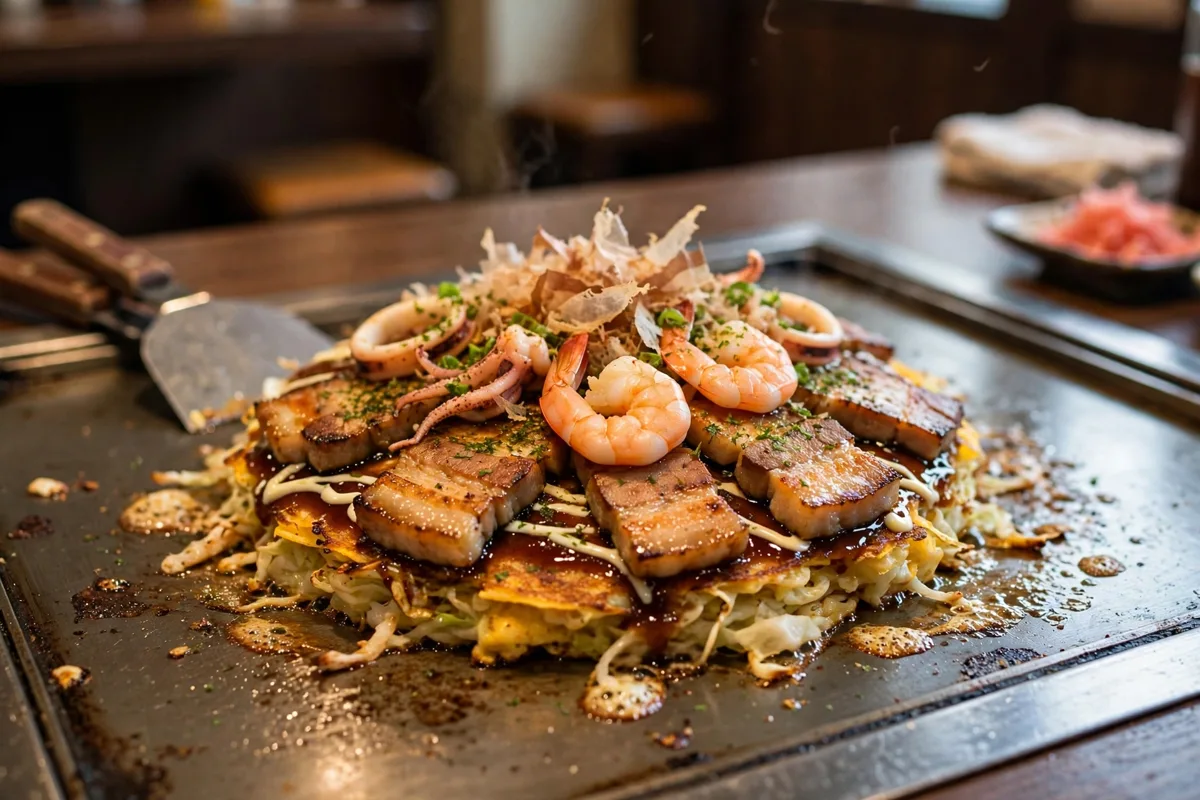
Okonomiyaki prices in the Philippines, as reported by third-party Philippine menu listings, generally sit in the PHP 180 to PHP 550 range for a single pancake, depending on toppings. The simplest reported versions sit at the low end, while premium mixes with seafood and egg sit at the top. That spread makes sense. A plain pork pancake uses fewer costly toppings than a seafood mix, and a moonlight egg version adds richness that diners pay extra for. If you are budgeting for two people, one shared premium pancake plus two drinks often lands in a comfortable mid-range total, while two separate pancakes will push the bill higher.
What makes Botejyu okonomiyaki different from a home pancake is the build. Cabbage gives it body, the batter keeps it soft inside, and the grill gives the outside a light crisp edge. Sauce and Japanese mayo are drizzled on top, with bonito flakes and seaweed adding savoury depth. Some diners find the classic version quite filling on its own. If you like heat, ask your branch what chilli or spicy toppings are available that day, since add-ons vary. Do not assume every topping listed online is in stock at your branch.
Sharing is the best way to taste more of the menu. A group of three can split two pancakes in different flavours, add a takoyaki plate, and still leave room for dessert. Solo diners who want variety can pick a smaller pancake and a side instead of the largest premium option. Either way, okonomiyaki is the dish to judge Botejyu by. If you love it, you have found your regular order. If you find it heavy, the ramen and rice bowls below are lighter paths into the same menu.
What ramen can you order at Botejyu?
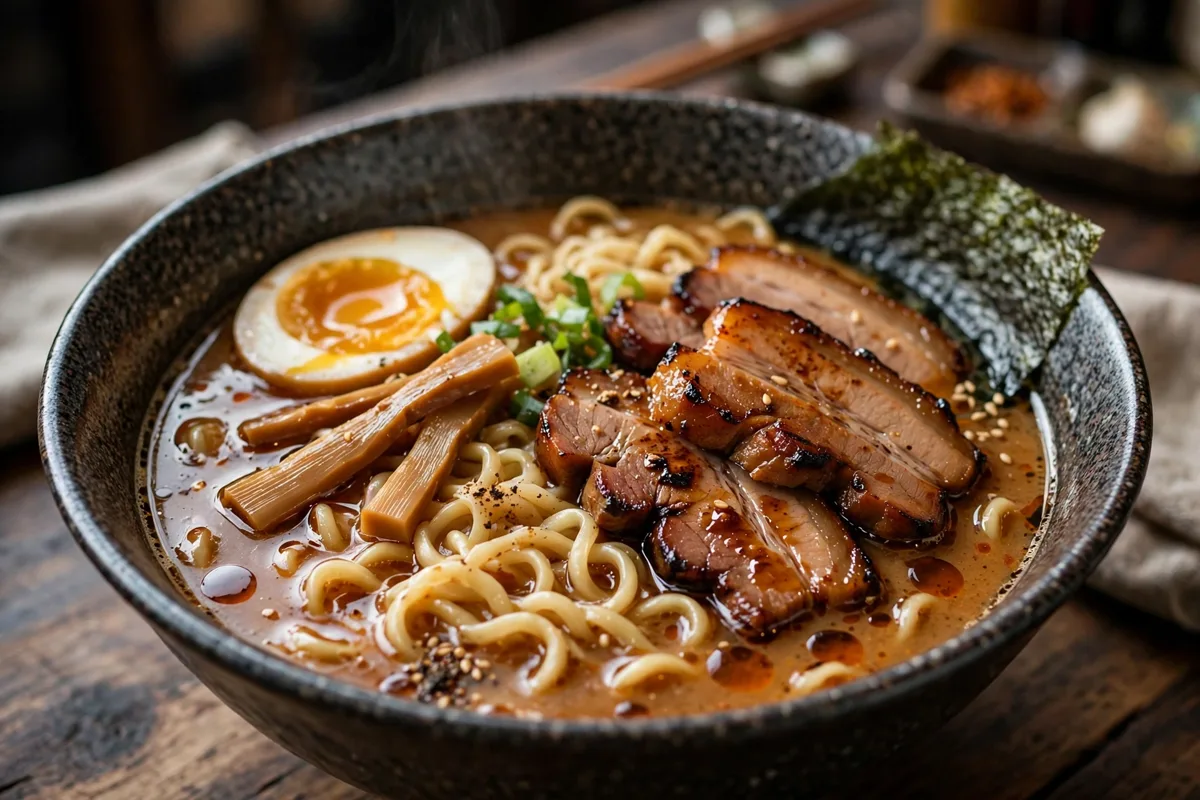
Botejyu ramen in the Philippines covers the main broth styles most ramen fans know: pork tonkotsu, soy sauce, salt, miso, and spicy miso, plus chicken paitan and tantan-men styles. Reported prices generally fall between PHP 510 and PHP 720 for a bowl, with toppings such as extra char siu pushing a bowl toward the top of that range. A bowl usually comes with noodles, broth, sliced pork or chicken, egg, and spring onion, though the exact topping set depends on the variant. If you are new to the menu, tonkotsu is the rich, creamy choice, while yuzu salt is the lighter, cleaner-tasting option.
The chicken paitan bowls deserve a note, because they suit diners who want a rich broth without pork. Rich Chicken Paitan Ramen with Stewed Minced Chicken is reported at PHP 557, and the version with Grilled Teriyaki BBQ Chicken is reported at PHP 569. Those two bowls give chicken lovers a proper main, not a side dish dressed up as a main. For spice fans, Special Spicy Miso Ramen and Spicy Pork Tonkotsu Ramen with Char Siu are the bowls to ask about, but spice levels vary by branch, so ask the server if you are sensitive to heat.
Ramen is also the easiest solo order at Botejyu. It arrives fast, it is filling, and it does not need a group to justify it. Add a side such as gyoza or a small rice set if you are very hungry, or keep it to the bowl and a drink if you want a simple lunch. One honest tip: ramen broth is salty by design. If you plan to drink the whole bowl, pace yourself, and order water as well as your main drink. That small habit makes the meal far more pleasant.
What rice bowls, yakisoba and teppan dishes are available?
Beyond pancakes and ramen, Botejyu serves the hearty Japanese comfort dishes that keep regulars coming back. The Grilled BBQ Pork Rice Bowl Hokkaido Style is one of the best known, reported at PHP 325, with sweet-savoury grilled pork over rice. Fried Rice with Chashu Pork and Egg, reported at PHP 295, is another strong pick: wok-tossed rice, pork, egg, and garlic, cooked fast and served hot. These bowls suit diners who want something filling without the richness of a full ramen broth or a large pancake.
Teppan cooking is where Botejyu shows its grill side. Teppan Grilled Pork Gyoza, reported at PHP 200, is crisp outside and juicy inside, and it works as a starter or a light main. Diced Beef Garlic Steak, reported at PHP 774 in third-party listings, is the premium teppan pick, with garlic and butter flavours that suit a treat meal. Sukiyaki Beef Yakisoba Fried Noodles, reported at PHP 676, brings stir-fried noodles and sukiyaki-seasoned beef together, and it is a good sharing plate for a table that already has a pancake coming.
If you are choosing between these dishes, think about appetite and sharing. Rice bowls are best for one hungry person. Yakisoba and teppan plates are better for sharing, since they arrive in portions that split well. A table of four could order one okonomiyaki, one yakisoba, one rice bowl, and a starter, and everyone would taste four different parts of the menu. That kind of spread is also easier on the wallet than four separate premium mains.
What starters, salads and sides should you try?
Starters at Botejyu do a lot of work. They fill the wait for a pancake, they give the table something to share, and they let picky eaters find a safe dish. Botejyu Special Salad is reported at PHP 241 for regular and PHP 354 for large, while Chicken Teriyaki Salad is reported at PHP 304 for regular and PHP 554 for large. Wakame Salad at PHP 172 and Edamame at PHP 132 are lighter, cheaper ways to start. Grilled Char Siu at PHP 270 and Stewed Beef Osaka Style at PHP 345 sit in the middle: savoury, warm, and good with rice.
For fried and toasted starters, two names come up again and again in Philippine listings. Bacon and Cream Cheese Spring Rolls are reported at PHP 150, a salty, crisp starter that suits cheese lovers. Premium Mix Pizza Toast, reported at PHP 189 in one listing and PHP 145 in an older review, shows why you should check your branch: the same dish can be listed at different prices in different sources and years. Bote Kara All-star, the award-linked karaage, is reported from PHP 125 for three pieces. If you love fried chicken, that is the starter to try first.
Sides are simple and useful. Miso Soup is reported at PHP 78, plain Rice at PHP 67, Kimchi at PHP 83, and a Rice Set with rice, kimchi, and miso soup at PHP 104. These small items let you turn a single main into a fuller meal without ordering a second main. They also help when one person at the table wants a lighter meal: a salad plus miso soup and rice can be enough, especially at lunch.
What desserts and drinks complete the meal?
Dessert at Botejyu is short and sweet, which suits a menu built around savoury pancakes and noodles. Warabimochi with Vanilla Ice Cream Sundae, reported at PHP 150, is the dessert most often named in Philippine reviews: soft warabimochi, vanilla ice cream, and a crunch element that keeps it from feeling plain. If you have just eaten a rich pancake, this is a good shared dessert, since one serving splits well between two people. Ask your branch what desserts are in stock, because dessert lists can be shorter than the main menu.
Drinks are straightforward. Canned sodas such as Coke, Coke Zero, Royal, and Sprite are reported around PHP 94 to PHP 96 in one listing, while Mineral Water is reported at PHP 61 and Hiyashiame, a sweet ginger-style drink, at PHP 148. Osaka Mix Fruit Juice is reported at PHP 224, the premium juice pick. Prices for canned drinks can differ a lot between dine-in and delivery, and between branches, so use these figures as a guide only. Water and iced tea, where available, are the budget-friendly choices.
A simple way to finish: share one dessert, order water for the table, and let each person pick one main drink only if they want it. That keeps the final bill sensible after a filling main course. If you are celebrating, the premium juice or a shared dessert adds a treat without turning the meal into a second main course.
How much should you budget for Botejyu?
For planning, use these rough bands, based on third-party reported prices and not on an official Botejyu list. A solo lunch of one ramen bowl or one rice bowl plus a drink usually lands around PHP 350 to PHP 750. A solo pancake meal with a starter and a drink usually lands around PHP 450 to PHP 850. A shared meal for two, with one pancake, one bowl or rice dish, a starter, and two drinks, often lands around PHP 900 to PHP 1,600. A group of four sharing two pancakes, a noodle dish, starters, and drinks can expect roughly PHP 1,800 to PHP 3,200, depending on premium picks.
Three things move the bill most: premium seafood and beef dishes, delivery fees and service charges, and drinks. A premium moonlight egg pancake or a beef steak dish can add several hundred pesos compared with a classic pork pancake. Delivery apps add fees that dine-in bills do not have. Canned drinks and juices add up fast for a group, so water for the table is a real saving. If you are on a tight budget, pick a classic pancake or a rice bowl, share a starter, and skip the premium juice.
Nutrition is worth a quick note, with a clear caveat. The figures in this guide are generic estimates, not official Botejyu data. A pork belly okonomiyaki is estimated at around 520 calories (ESTIMATE) for a typical serving, while a ramen bowl is often estimated in the 600 to 800 calorie range (ESTIMATE), depending on broth and toppings. Those estimates help you compare dishes, but they are not a substitute for official nutrition information, which Botejyu Philippines does not publish in a standard form in these listings. If you track calories closely, ask the branch for any available nutrition notes.
What are the Botejyu best sellers for first timers?
If you ask regulars what to order first, the same names come up again and again, and they make a useful shortlist for a first visit. Pork Belly Oko is the classic pancake order, because it shows the Osaka style without the cost of a premium mix. Premium Mix Moonlight-Egg Oko is the treat order, for diners who want the fullest pancake on the card. Pork Tonkotsu Ramen is the safe ramen order, rich and familiar, while Fried Rice with Chashu Pork and Egg is the rice order regulars name when they want something filling and quick. Bote Kara All-star rounds out the list as the fried chicken starter that many tables add without thinking twice.
Best sellers are useful because they are the dishes the kitchen makes most often, which usually means consistent quality. A dish ordered hundreds of times a week is less likely to surprise you than a rare special. That does not mean best sellers suit everyone. A pork pancake will not suit a diner who avoids pork, and a rich tonkotsu bowl will not suit someone who wants a light lunch. Use the best seller list as a starting point, then adjust for your own taste, appetite, and budget. A chicken paitan ramen or a seafood pancake can be a better personal best seller than the crowd favourite.
For a first visit, pick one best seller as your main and one as a shared starter, and leave the rest for a second visit. That approach gives you a reliable meal and a reason to return. If you loved the pancake, try a premium mix next time. If you loved the ramen, try a miso or spicy variant next time. If you loved the karaage, try it with a different dip next time. Small steps through the best seller list beat a single visit where you order everything at once and taste nothing properly.
Where can you find every Botejyu guide?
This hub article is the starting point, and the supporting guides below cover one topic each, so you can jump straight to what you need. If you want to see the card layout, read the menu card guide. If you like custom orders, read the secret menu guide, which covers customer-reported combinations only, not an official hidden menu. If you are planning a morning visit, read the breakfast guide, and check your branch hours first, since morning availability varies. The rest of the cluster covers kids, promos, delivery, best sellers, combos, party packages, value meals, family bundles, new items, cheapest items, nutrition, and near-me help.
Use the hub this way: start with the dish tables above to pick your main, then open the supporting guide that matches your situation. A family ordering for kids will care about different dishes than a solo diner chasing the cheapest filling meal. A group planning a party will care about bundles and sharing plates. Keeping each guide separate means each one can go deeper on its topic, without turning this hub into an endless page.
Frequently asked questions
What is Botejyu known for in the Philippines?
Okonomiyaki, the Osaka savoury pancake, plus ramen, takoyaki, and teppan dishes. The botejyu menu is built around those Japanese comfort dishes.
How much does a Botejyu okonomiyaki cost?
Third-party Philippine listings report roughly PHP 180 to PHP 550 per pancake, depending on toppings. Check your branch menu, since prices vary.
Is Botejyu good for sharing?
Yes. Pancakes, yakisoba, and teppan plates split well, and a group can taste several parts of the menu by sharing.
Does Botejyu Philippines serve pork?
Yes, many signature dishes use pork, including pork belly okonomiyaki and pork ramen. Chicken and seafood options are also listed.
Disclaimer: Prices on this page are third-party reported ranges gathered from public Philippine menu listings. They are not an official Botejyu price list, and they may vary by branch, mall, delivery platform, and date. Always check the menu at your branch before ordering. Nutrition figures, where shown, are generic estimates labelled ESTIMATE and are not official Botejyu nutrition data.