Ooma Nutrition Info Philippines 2026
Here’s the honest starting point for Ooma nutrition info: Ooma does not publish official per-dish calories or macros, so any site giving you exact Ooma calorie counts is guessing. What this guide does instead is rank the menu by how light or heavy each category really is, flag the allergens, and give you typical calorie ranges for similar dishes, clearly labeled as estimates. Prices are from the latest menu listing, and the full dish list sits on the Ooma menu hub.
Where can I find Ooma nutrition info?
No. As of October 2026, neither Ooma’s ordering pages nor The Moment Group’s brand pages list calories, protein, sodium or any other nutrition figures per dish. That’s common for Philippine restaurants: very few local chains publish full nutrition tables, unlike the big US fast food brands.
So what can you do? Ask the staff about ingredients when you order, especially for sauces and fried items, and use the category guide below. The calorie ranges in this article are typical values for similar Japanese dishes from general nutrition references, not Ooma’s own figures, and portions and sauces will shift them.
| Dish type | Typical range per serving (estimate) | Why |
|---|---|---|
| Sashimi serving | Around 150 to 250 kcal | Lean fish, no rice |
| Hand roll | Around 200 to 300 kcal | Small rice portion |
| Maki roll order | Around 300 to 500 kcal | Rice plus fillings and mayo |
| Donburi bowl | Around 600 to 900 kcal | Large rice base plus topping |
| Tempura serving | Around 400 to 600 kcal | Battered and deep-fried |
| Sharing chahan | Around 500 to 700 kcal per person | Fried rice, oil and egg |
What are the healthiest options at Ooma?
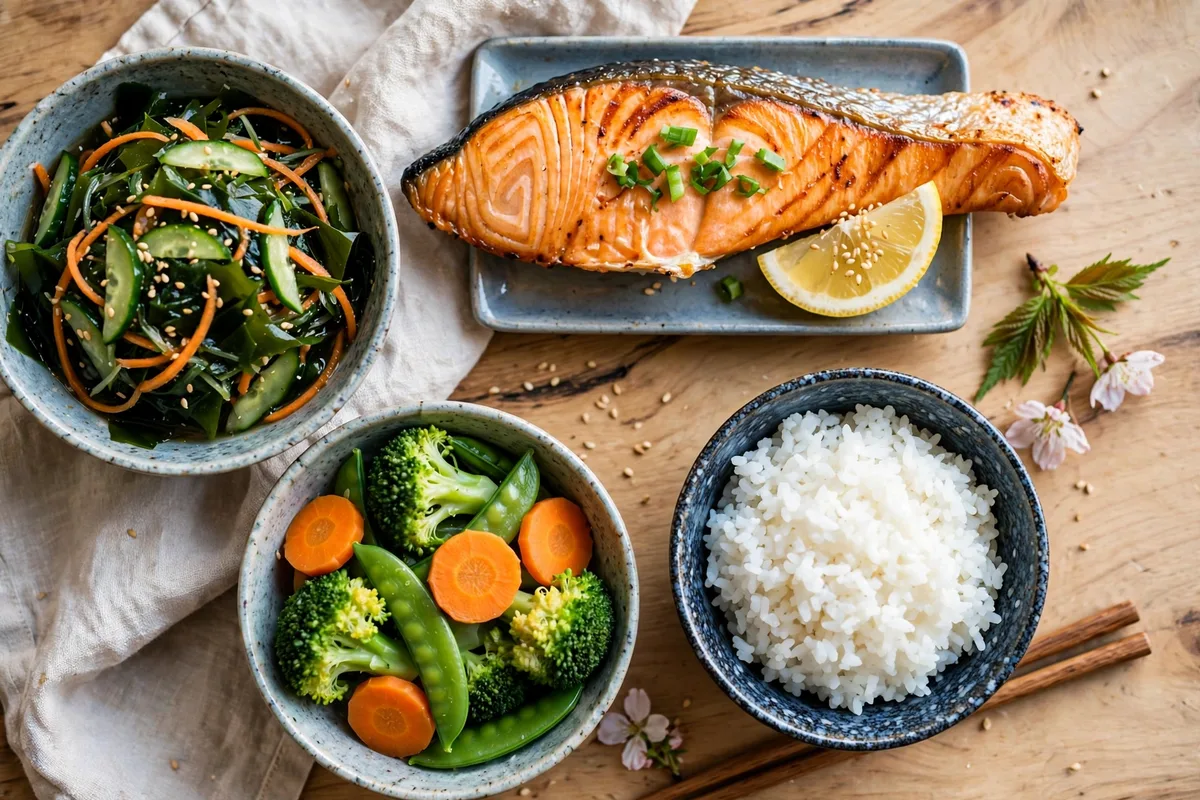
The lightest end of the menu is built on raw fish, vegetables and steamed or grilled items. Sashimi is the cleanest protein on the menu, since it’s just fish. Salads and small plates like edamame and agedashi tofu add fiber and protein without the fried weight, and hand rolls keep the rice portion smaller than a full maki order.
| Item | Why it’s lighter | Price |
|---|---|---|
| Salmon Sashimi | Lean protein, omega-3 fats, no rice | ₱495 |
| Tuna Sashimi | Very lean fish, no frying | ₱355 |
| Roasted Sesame Salad | Vegetable-based starter | ₱335 |
| Kani Salad | Crab stick and vegetables, light dressing | ₱350 |
| Edamame | Steamed soybeans, fiber and plant protein | ₱110 |
| Miso Soup | Light, warm, low calorie starter | ₱110 |
| Hiyayakko | Chilled tofu, light and fresh | ₱225 |
| Spicy Tuna Hand Roll | Small rice portion, lean fish | ₱225 |
| Chicken Teriyaki | Grilled, not fried, but watch the sweet glaze | ₱390 |
Lighter picks that still satisfy
The trick to a lighter Ooma meal is swapping, not starving. Pick sashimi or a hand roll instead of a cheese aburi roll, choose a salad starter over tempura, and keep the fried rice as a shared side rather than a solo main. You still get the flavors Ooma is known for, just with less oil and batter in the mix.
Which Ooma dishes are highest in calories?
The heaviest dishes share three traits: deep-fried batter, cheese or creamy sauces, and big rice portions. Tempura platters, cheese-topped aburi rolls, fried gyoza and sharing chahan all stack those traits, so they land at the top of the calorie range. Desserts like the half-baked chocolate lava cake and fried gyoza desserts add sugar on top.

| Item | Why it’s heavy | Price |
|---|---|---|
| Assorted Tempura | Multiple battered, deep-fried pieces | ₱505 |
| Ebi Tempura | Battered prawns, fried | ₱485 |
| Unagi Mentai Ko Aburi Maki | Rich eel plus creamy mentai sauce | ₱590 |
| Truffled Steak Aburi Maki | Beef, cheese and rich sauces | ₱555 |
| Tamago and Cheese Aburi Maki | Egg plus torched cheese | ₱295 |
| Beef Chahan (sharing) | Fried rice with beef, generous portion | ₱275 |
| Fried Chocolate Gyoza | Fried dumplings with sweet filling | ₱195 |
| Half-baked Chocolate Lava Cake | Rich chocolate dessert | ₱235 |
One more thing worth knowing: sodium runs high across Japanese menus in general, thanks to soy sauce, miso and brines. If you’re watching salt, go easy on the extra soy sauce dip and the salty soups, and drink water with the meal.
Dishes to enjoy in moderation
None of this means skipping the good stuff. The truffled steak aburi maki is popular for a reason, and tempura is at its best fresh from the fryer. The practical move is portion control: share the heavy dishes, pair them with a salad or sashimi, and keep the fried items to one per meal instead of three.

What about allergens at Ooma?
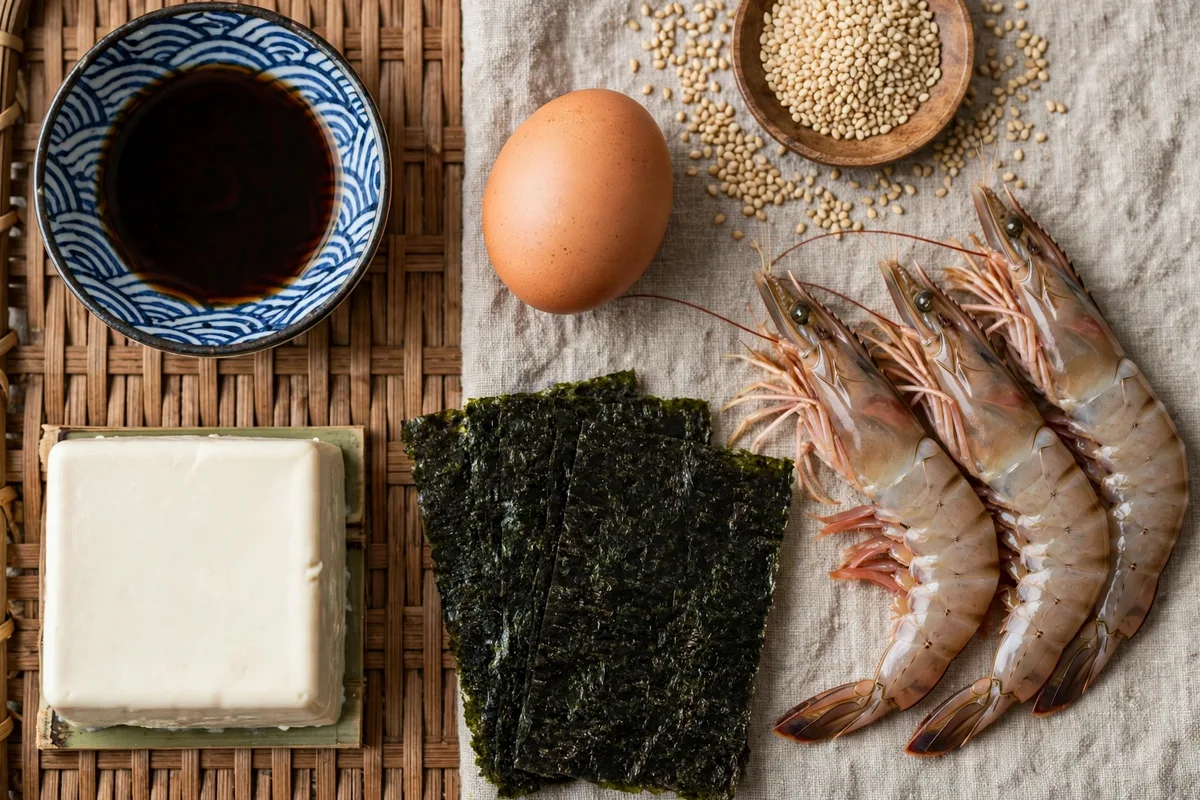
Japanese menus carry several major allergens, and Ooma’s is no exception. Soy shows up in soy sauce, miso and many glazes. Wheat shows up in gyoza wrappers, udon noodles and regular soy sauce. Shellfish runs through the ebi, kani, oyster and soft shell crab dishes, and egg and dairy appear in tamago, mayo-based sauces and cheese aburi rolls. Sesame is common as a garnish and in dressings.
| Allergen | Where it shows up |
|---|---|
| Soy | Soy sauce, miso soup, tofu dishes, glazes |
| Wheat and gluten | Gyoza wrappers, udon, regular soy sauce, tempura batter |
| Shellfish | Ebi tempura, kani, oyster aburi, soft shell crab |
| Egg | Tamago, mayo sauces, donburi egg toppings, desserts |
| Dairy | Cheese aburi rolls, ice cream, some sauces |
| Sesame | Salad dressings, garnishes, sauces |
If you have a serious allergy, tell your server before ordering and double-check sauces, since recipes change. The Ooma best sellers guide and the Ooma menu card guide list the dishes by category, which helps when you’re scanning for safe picks.
About Ooma
Ooma is a Filipino-Japanese restaurant from The Moment Group, created with chef Bruce Ricketts and launched in the mid-2010s. It’s built around aburi, or torched, maki, plus donburi, tempura, hotplates and udon, served in a buzzy, market-style space. Branches sit in Bonifacio High Street, Greenbelt 3, Power Plant Mall Rockwell, SM Megamall and Molito Alabang.
Ooma nutrition FAQs
Does Ooma publish calorie information?
No. Ooma does not publish official per-dish calories or macros on its ordering pages or brand pages as of October 2026. The ranges in this guide are typical values for similar dishes, not Ooma’s own figures.
What is the healthiest thing to order at Ooma?
Salmon or tuna sashimi is the lightest protein choice, since it’s just fish with no rice or frying. Pair it with edamame and a salad for a light, filling meal.
How many calories are in an Ooma maki roll?
Ooma doesn’t publish this, but a typical maki roll order runs around 300 to 500 kcal depending on fillings, rice and sauces. Cheese and fried fillings push it higher.
Is Ooma food gluten-free?
Mostly no. Soy sauce, gyoza wrappers, udon and tempura batter all contain wheat. Sashimi without soy sauce is the safest starting point, but always confirm with the server.
What should I order at Ooma if I’m watching my weight?
Pick sashimi or a hand roll, add a salad or miso soup, and skip the tempura and cheese aburi rolls for that meal. Sharing a heavy dish instead of eating it solo also helps.