Torikizoku Nutrition Info Prices Philippines 2026
The torikizoku nutrition info situation is simple: Torikizoku Philippines publishes no official nutrition table yet. This guide says that plainly, gives you clearly labeled generic yakitori ranges instead of invented brand numbers, and shows how to build a lighter meal from the full Torikizoku menu, where every item costs ₱190.
Does Torikizoku Philippines publish nutrition information?
The honest answer is no, not that we could find. The torikizoku nutrition info search ends at a gap: the official Philippine site lists the branch, its hours, and the brand story, but no nutrition table, no calorie list, and no allergen sheet. That is common for a brand-new single-branch opening, but it means any article quoting exact Torikizoku calories would be guessing.

So this guide does two things instead. First, it gives you generic yakitori nutrition ranges from third-party food databases, clearly labeled as estimates for the dish type, not for Torikizoku's recipes. Second, it gives you practical ordering guidance that holds up whatever the exact numbers turn out to be: salt beats tare for lightness, breast beats thigh for leanness, and drinks deserve their own budget.
| What we checked | What we found | Price |
|---|---|---|
| Official site nutrition page | No nutrition table found as of October 24, 2026 | n/a |
| Launch reporting | Confirms the ₱190 flat price, no nutrition figures | n/a |
| Generic yakitori databases | Ranges below, labeled as generic estimates | n/a |
How many calories are in yakitori skewers?
Generic yakitori listings give a useful ballpark, even though they are not Torikizoku numbers. A plain grilled chicken skewer lands at roughly 180 to 220 kcal in third-party databases, with protein in the high teens to around 30 grams depending on the size of the skewer and the cut. Torikizoku serves two skewers per standard order, so a standard order sits roughly in the 360 to 440 kcal range before sides and drinks, if you use those generic figures.
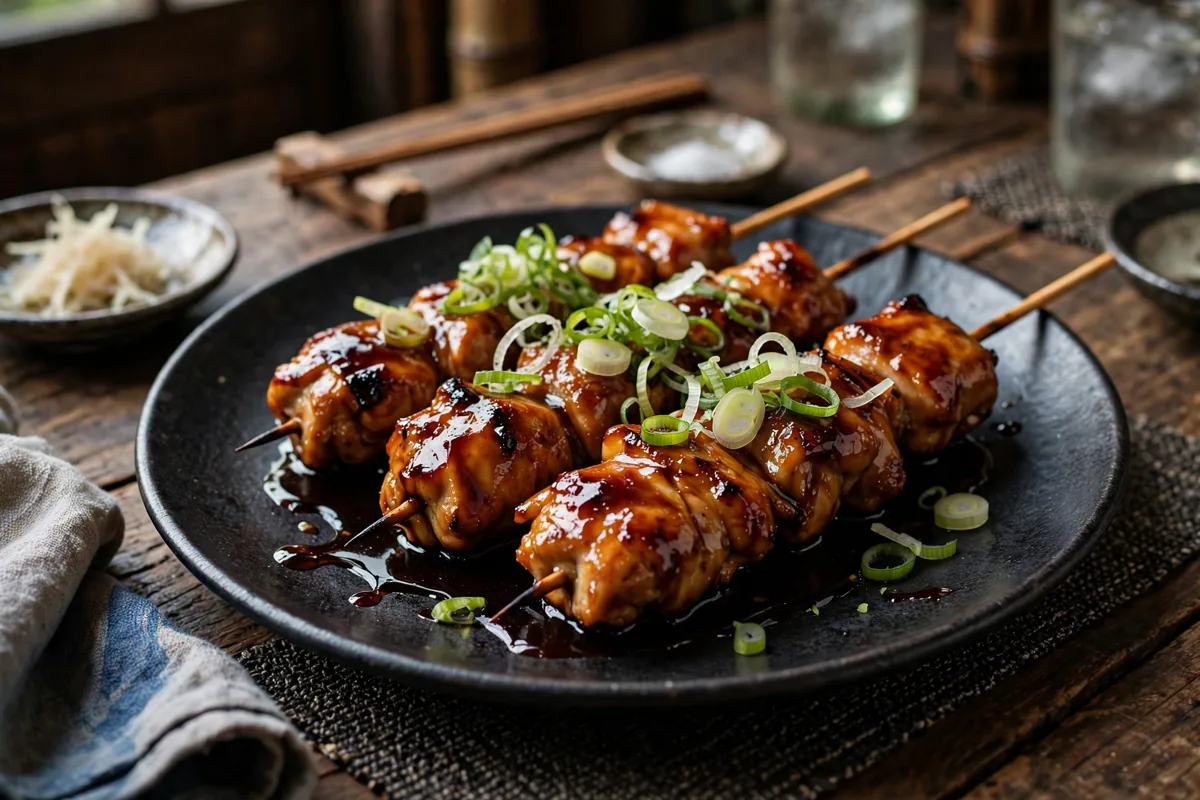
Read that range as a planning aid, not a promise. A breast skewer and a thigh skewer are different foods, tare glaze adds sugar, and Torikizoku's own portion sizes are its own. If you need exact numbers for medical reasons, ask the branch staff directly, since only the restaurant can confirm its recipes.
| Generic yakitori estimate (not Torikizoku data) | Typical range per skewer | Price |
|---|---|---|
| Plain grilled chicken skewer | Roughly 180 to 220 kcal, protein roughly 18 to 30 g | ₱190 per order |
| Salt-grilled chicken breast | Leaner end of the range, no added sugar glaze | ₱190 per order |
| Tare-glazed chicken | Higher end of the range, glaze adds sugar and carbs | ₱190 per order |
| Cheese chicken meatballs | Heavier than plain skewers, cheese adds fat | ₱190 per order |
Salt or tare: which is the lighter choice?
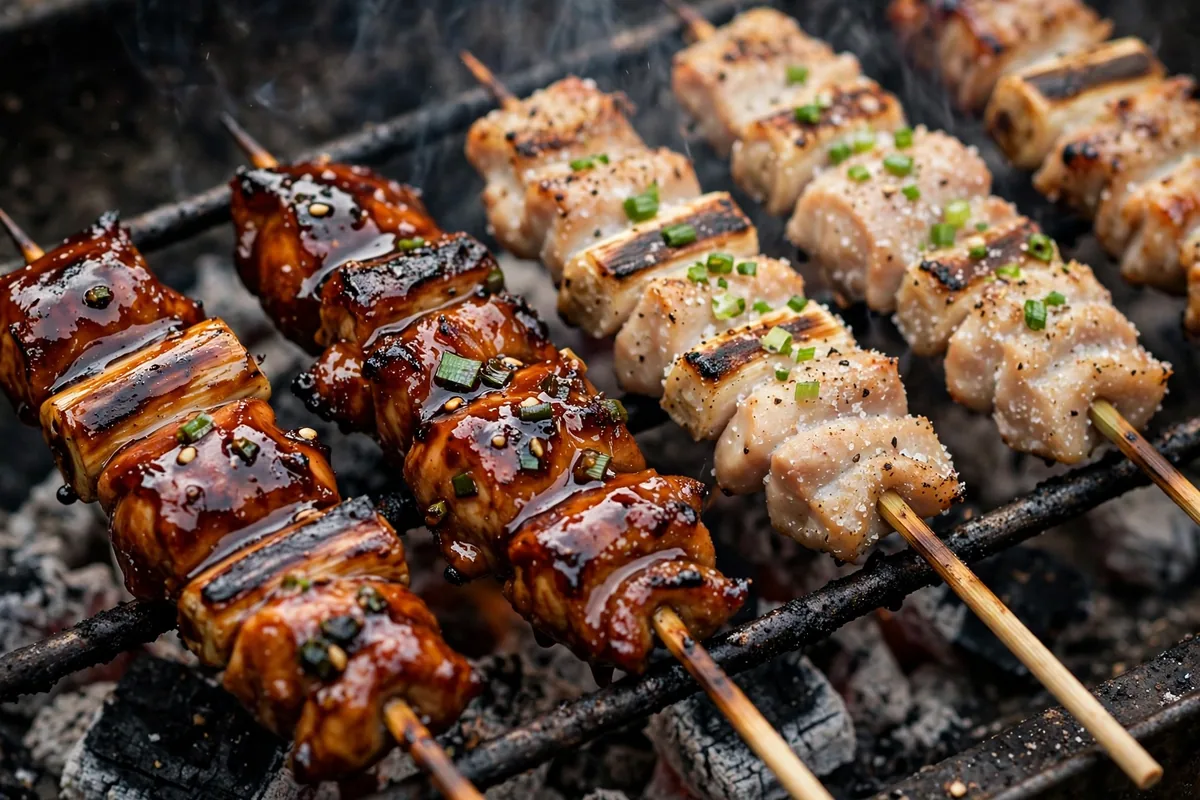
Salt is the lighter choice, and it is not close. Salt-grilled skewers let the chicken and the charcoal do the work, with no added sugar. Tare is a sweet soy glaze, so it adds sugar and carbs to every bite, and it tastes wonderful, which is exactly why it is the trickier pick for a lighter meal.
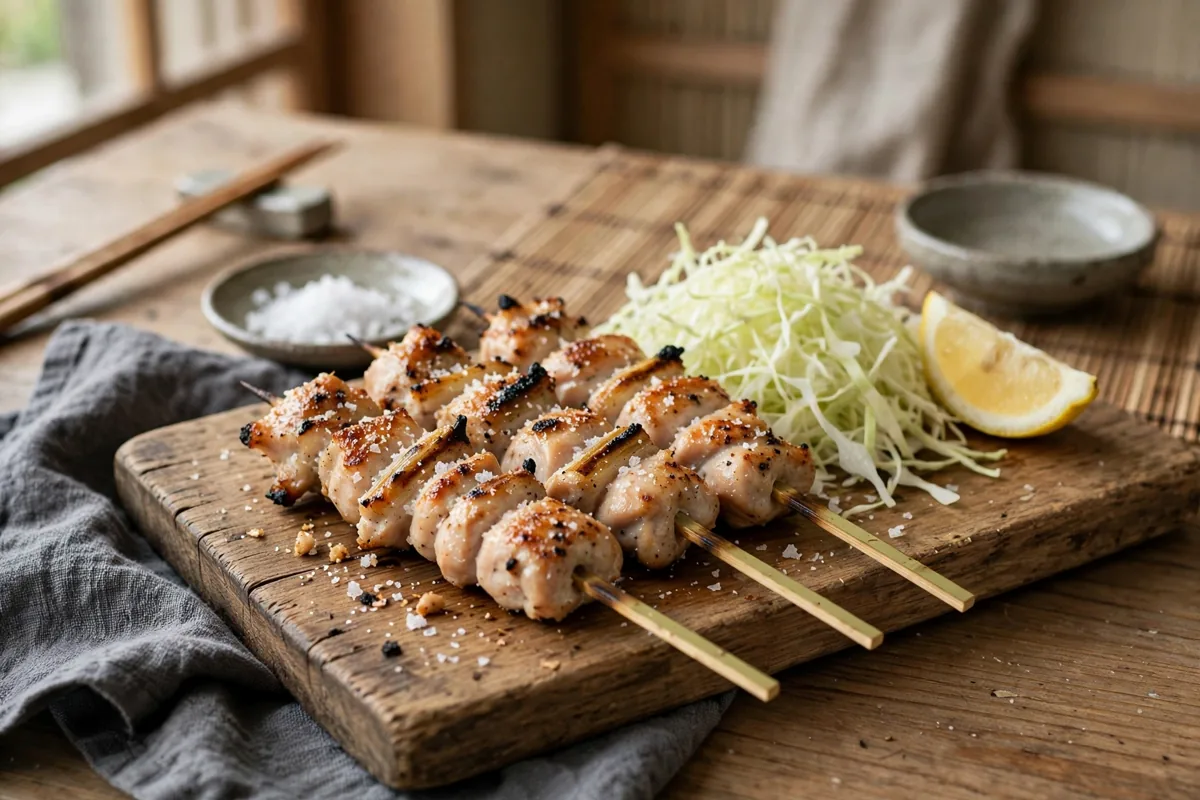
Salt vs tare at a glance
Pick salt when you want the cleanest plate, and pick tare when you want the classic sweet-savory yakitori flavor and are happy to spend a little more of your day's budget on it. Mixing one order of each gives you both flavors without doubling down on glaze.
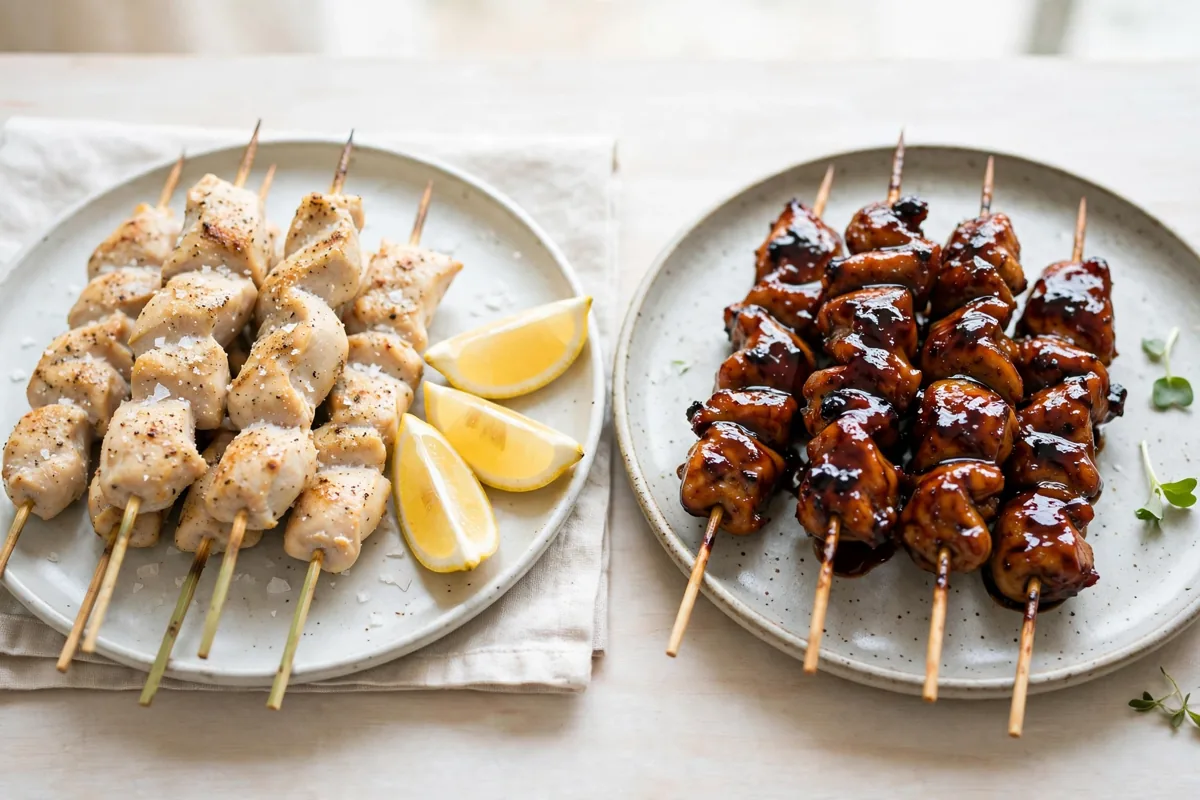
- Salt: no added sugar, keeps the focus on grilled chicken flavor.
- Tare: sweet soy glaze, richer flavor, more sugar and carbs.
- Pepper (Kizokuyaki): a seasoned option on the larger skewers, without a sweet glaze.
- Offal cuts: liver and heart are nutrient-dense and richer, so treat them as flavor picks, not light picks.
How do you build a lighter Torikizoku meal?
Start with the leanest protein, add vegetables where you can, and keep drinks in their own lane. A plate built on salt-grilled breast, a vegetable side, and water or an unsweetened drink is a genuinely light Japanese meal. The same table with tare glaze on everything, cheese meatballs, and highballs is a feast, and there is nothing wrong with that either, as long as you choose it on purpose.
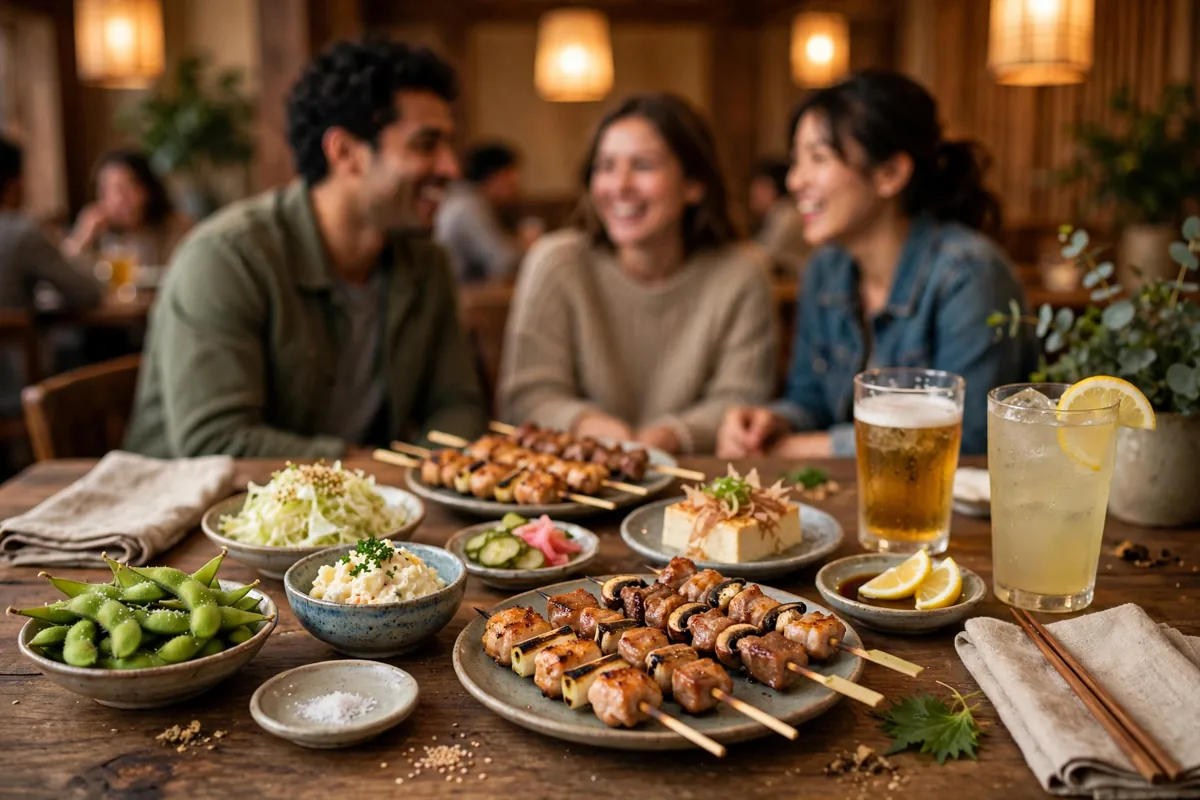
Lighter plates that still feel like a feast
Sharing is your best tool here. A group table lets you taste the richer items in small amounts while your own main orders stay light.

- Lead with breast, salt-grilled: the leanest standard skewer choice.
- Share the rich items: one cheese meatball plate split four ways is a taste, not a load.
- Watch the drinks: highballs are alcoholic, so they add calories without filling you up.
- Ask about sides: the launch menu does not detail a full sides list, so check with staff on the day.
Torikizoku nutrition info FAQs
Straight answers, with a clear line between what Torikizoku publishes and what generic food data suggests.
Does Torikizoku publish nutrition information?
No official nutrition table for Torikizoku Philippines was found on the official site as of October 24, 2026. The figures below are generic yakitori estimates, clearly labeled, not Torikizoku figures.
How many calories are in a Torikizoku skewer?
Torikizoku does not publish its own numbers. Generic yakitori listings put a plain chicken skewer at roughly 180 to 220 kcal, with tare-glazed versions at the higher end because of the added sugar.
Is yakitori healthy?
Grilled chicken is a strong protein choice, and salt-grilled breast is the leanest common option. Tare glaze, cheese toppings, and drinks add sugar, fat, or alcohol, so they shift the meal heavier.
What is the lightest order at Torikizoku?
Salt-grilled chicken breast skewers with a vegetable side make the lightest plausible plate. Ask staff about sides on the day, since the published launch menu does not list a full sides section.
Do highballs add many calories?
Highballs are alcoholic drinks, so they add calories without nutrition, and the exact amount depends on the recipe. If you are counting, treat drinks as a separate budget from food.
More Torikizoku guides
If you are still deciding, these two guides pair naturally with this one.